
Maui closure increases risk of energy shortage
4 May 2026
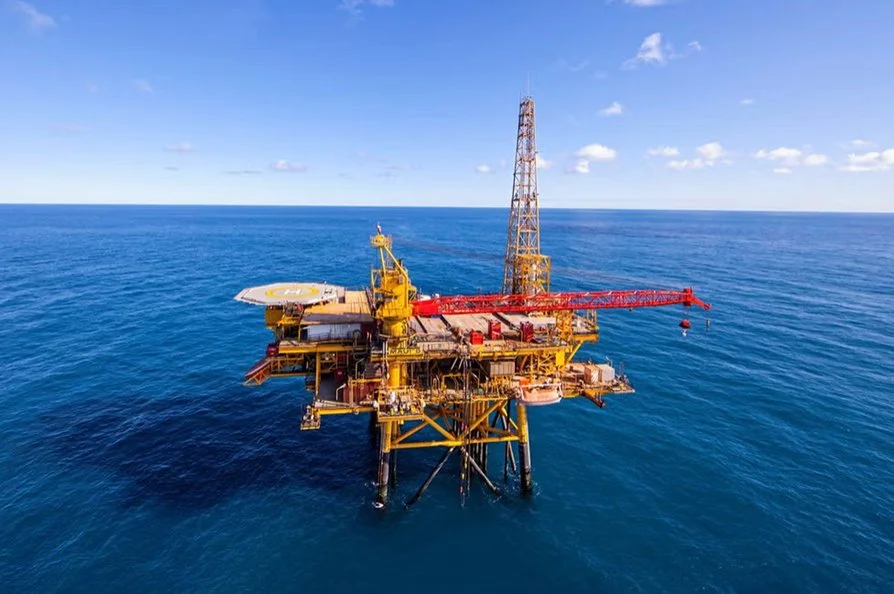
After 47 years’ production, the once huge Māui gas field is nearing completion and could be closed by the end of this year, owner OMV announced recently.
Sector co-regulator, Gas Industry Co (GIC), says formal notification from OMV New Zealand to the government and energy sector regulators that the Māui gas field is expected to cease production, is the clearest confirmation yet of the timing of one of New Zealand’s most significant gas supply losses.
It says that while Māui’s eventual closure has long been signalled, confirmation of an end of 2026 timeframe accelerates the decline in domestic gas supply and brings forward risks already identified for New Zealand’s gas and electricity systems.
It also notes that the announcement raises immediate questions for large gas users, including Methanex, New Zealand’s single largest gas consumer.
The potential loss of Methanex would mark another step in the ongoing de-industrialisation of gas-intensive manufacturing, alongside earlier and anticipated business closures, GIC chief executive David Prentice says.
The announcement reinforces the findings of GIC’s 2026 Gas Supply and Demand Study, which identified winter 2027 and beyond as a critical risk period for the New Zealand energy system.
The PwC study, commissioned by Gas Industry Co, modelled that Māui production would cease in 2027 and alternative supply options such as LNG imports would not be available at scale, creating a potential stress point for electricity security, and leading to the exit of industrial gas users.
The timing now indicated by OMV suggests a narrower buffer than assumed by the study, increasing exposure to supply shortfalls and price volatility.
“The confirmation of Māui’s expected closure brings forward the risks outlined in the study,” Prentice says.
“In particular, it heightens concerns about maintaining adequate dry-year cover from winter 2027 onwards, and about the pace at which industrial gas demand is being forced out of the system.”
The study found that as indigenous gas production declines, the system becomes less flexible and more exposed during dry years, when gas-fired electricity generation plays a critical balancing role.
Without additional sources of energy or flexibility, the study identified higher risks of supply interruptions, higher electricity prices, and further industrial closures.
GasNZ chief executive Jeffrey Clarke says that the market impacts of the closure of Māui and the exit of Methanex are difficult to predict in the near term.
“There is likely to be a period of market volatility with potential short-term oversupply of natural gas which may take some time to settle down.”
The GIC says the Māui announcement underscores the need for co-ordinated, timely decisions to manage natural gas supply resilience and ensure energy security, while recognising the wider economic consequences of continued industrial withdrawal.