
Should you be recommending gas to your clients?
There is no shortage of LPG in New Zealand
9 March 2026
With the recent decline in New Zealand’s natural gas reserves, there’s concern about gas’s future availability, leading to the question: Is it still responsible for gasfitters and architects to recommend gas to their clients?
First, a recent statement from the Commerce Commission – one of the regulators for the gas sector:
“Domestic gas production is declining faster than anyone expected. Yet natural gas, including some biogas blends, remains an essential fuel for many homes and businesses.
We expect gas use to continue for at least twenty years. Investment in gas networks will need to continue, to provide safe and reliable networks over this horizon.” (Vhari McWha, Commissioner.)
Below are some frequently asked questions about gas and its future in New Zealand.
Are New Zealand’s natural gas reserves really declining?
Yes. Annual production of natural gas from has dropped by almost half from 2020 to 2025. This was faster than expected but that doesn’t mean natural gas supply is grinding to a halt.
While some older fields are reaching end-of-life, some younger fields hold significant gas – for example the Turangi field, which alone currently produces almost three times as much natural gas each year as is consumed by all households.
What about LPG customers – are they affected?
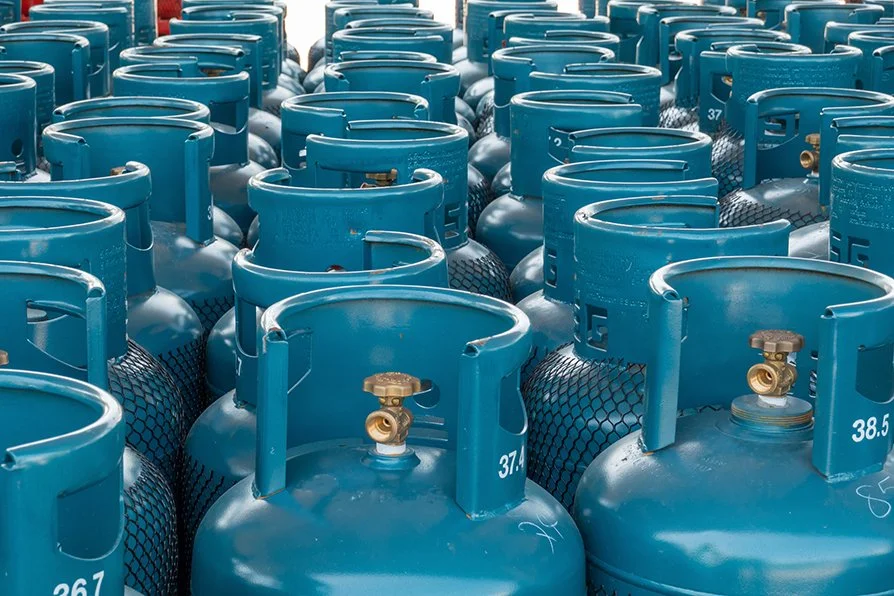
There is no New Zealand or worldwide shortage of LPG. All the recent discussion about “gas” shortage, has been discussion about the decline of our natural gas fields
LPG, delivered in cylinders, is used by around 302,000 customers in New Zealand, 280,000 of which are residential. This number has grown by about 23 percent since 2020.
With the move to electrification, is natural gas still needed in the medium term?
Natural gas is an important part of our current energy mix. It makes up 14 percent of all energy used in New Zealand, and 28 percent of all energy used by industry.
Our economy needs to transition to lower-carbon energy but natural gas will continue to be critical for electricity generation – especially to back-up renewable generation (for when the wind doesn’t blow, the sun doesn’t shine, or the hydro lakes are low). Currently, 26 percent of natural gas production is used to generate electricity.
Natural gas will also continue to be important for industrial users who cannot easily switch to electricity or bioenergy.
With declining supply of natural gas, will households and small business be cut off in the near future?
Residential use of natural gas is small: it accounts for just six percent of total production. Commercial (non-industrial) usage is just slightly higher at around 6.6 percent.
However, residential and small business customers are greatly valued by the gas sector – they make up about 95 percent of the sector’s customers, and they provide a steady, predictable energy demand.
Both the current and the previous government have explicitly rejected suggestions for banning either new gas connections and/or gas appliances and homes and businesses are expected to still be using natural gas for at least the next two decades.
What about so called ‘renewable gases’ – could they replace natural gas for household use?
Renewable, low- or no-carbon gases, are now being produced in New Zealand, including biogas and hydrogen.
Biogas is produced from organic waste and contains biomethane – which is identical to natural gas. The government is actively encouraging biogas production in New Zealand and this is already beginning to happen.
There’s talk about importing LNG (liquified natural gas) as a back-up for local natural gas – is that going to happen?
As New Zealand’s own supply of natural gas tightens, the government intends commissioning the development of infrastructure for importing LNG into New Zealand.
This will effectively backup our natural gas supplies if needed for electricity generation in ‘dry years’ when hydro lakes are low, and/or for large industrial use.
So, while it’s true that natural gas production in New Zealand is declining more rapidly than expected – the government and regulators expect it to be around for at least another 20 years. And happily, there is no shortage of LPG.
This should give confidence when advising clients about their preferred energy choices and the future availability of gas.